How I Managed to Write a Memoir
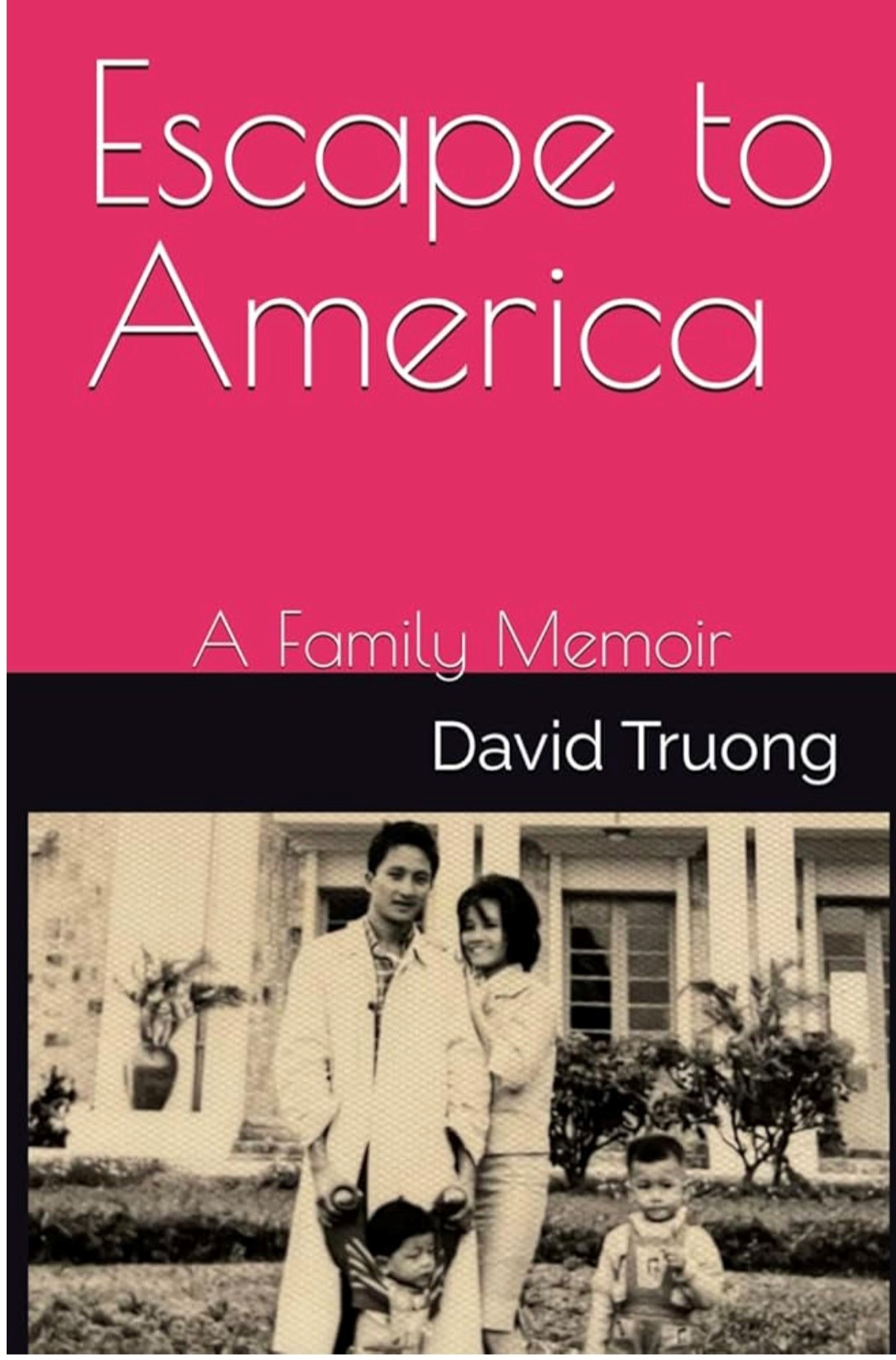
In a way, the memoir wrote itself. Many of the major and minor accounts had already been told and retold over the years by different family members, each with their own perspective. Still, I had to find my version of the story and weave those accounts into a unified whole. Studying the Bible helped. The four Gospels—each written by a different author with different details—come together to form one central story: the birth, death, and resurrection of Jesus Christ. That framework showed me how I could piece together my family’s story.
It also helped that, over the years, people often asked me, “How did your family come to America?” I got to practice retelling the story in different settings—sometimes a five-minute dinner table version, sometimes a longer one on a hike. That repetition helped me identify which parts resonated: which were poignant, troubling, or funny to those listening.
Movies and television also played a big role. I grew up watching a lot of both, and as a visual learner, I think in scenes. While writing, I often imagined passages as if they were part of a film—something like Star Wars or The Godfather—and asked myself: Was that compelling? Did that work?
But having a roadmap or visual in mind is different from writing the story. To prepare, I read two memoirs—Open and The Tender Bar—by the same author. I liked his style: short, sometimes two-word sentences; humor inserted at just the right moments, even in tense scenes; and the way he named things for impact (like calling a ball machine “The Dragon”). These choices gave readers quick visuals and easy reference points.
With a story map in my head and a style I wanted to emulate, I started pecking away at the keyboard, letting my personality flow into the writing. But then came another challenge: grammar. Like most people, I tend to write the way I speak, which often drifts into passive voice and clunky phrasing. That’s where AI proved useful. It can fix grammar and smooth out clunky sentences —an ethical use of the technology that frees you to focus on the real work of storytelling.
But that’s all AI can, or should, do. It can’t supply the details of your story. It doesn’t have your personality or humor. Ask it to be funny and it will come out corny. Humor is one of the highest forms of intellect, and thankfully, AI isn’t there. The same goes for drama—it often comes across overly dramatic (like a B movie) or artificial, because it is artificial.
Finally, no matter how many times you self-edit, hire a professional editor. I caught plenty of mistakes on my own, but I still missed a misplaced comma, a misused quotation mark, or a forgotten indentation. If nothing else, it gives you peace of mind.
This is how I manage to write my memoir. Hopefully, something I said here will help you write yours.